Celebrating 50 Years of Volunteer Spirit at NYC Marathon
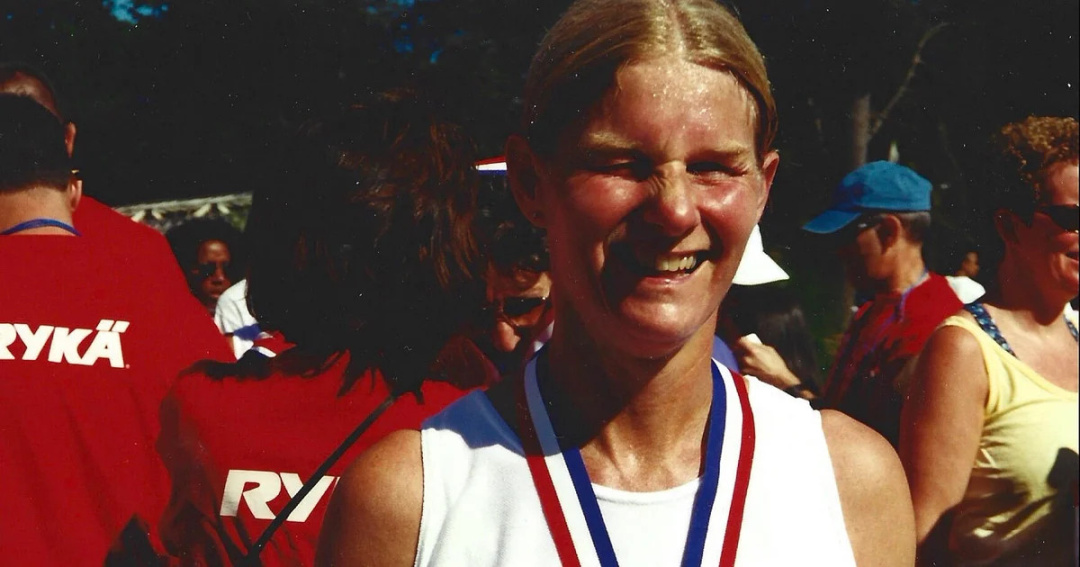
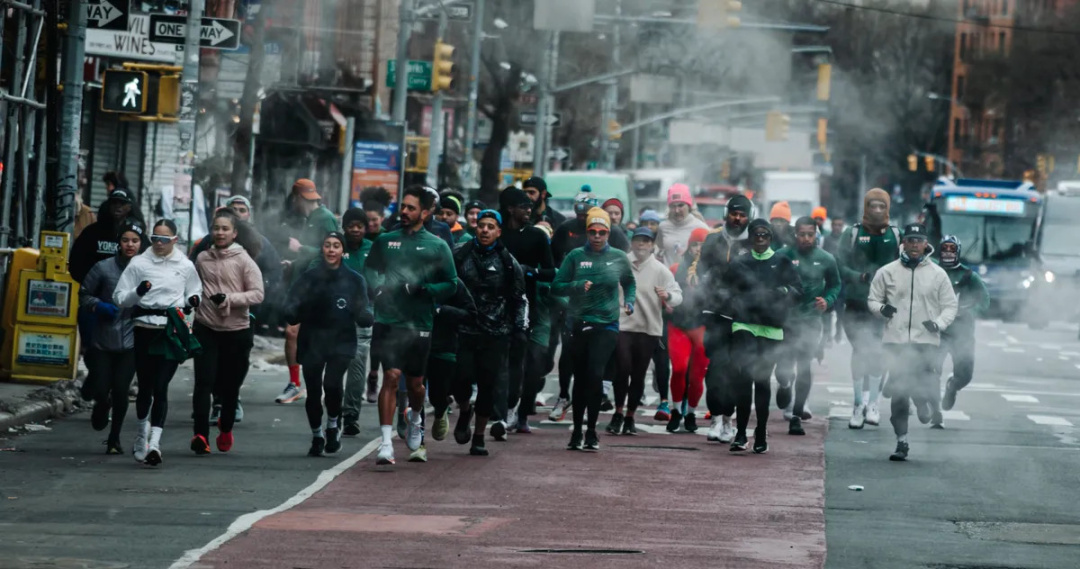
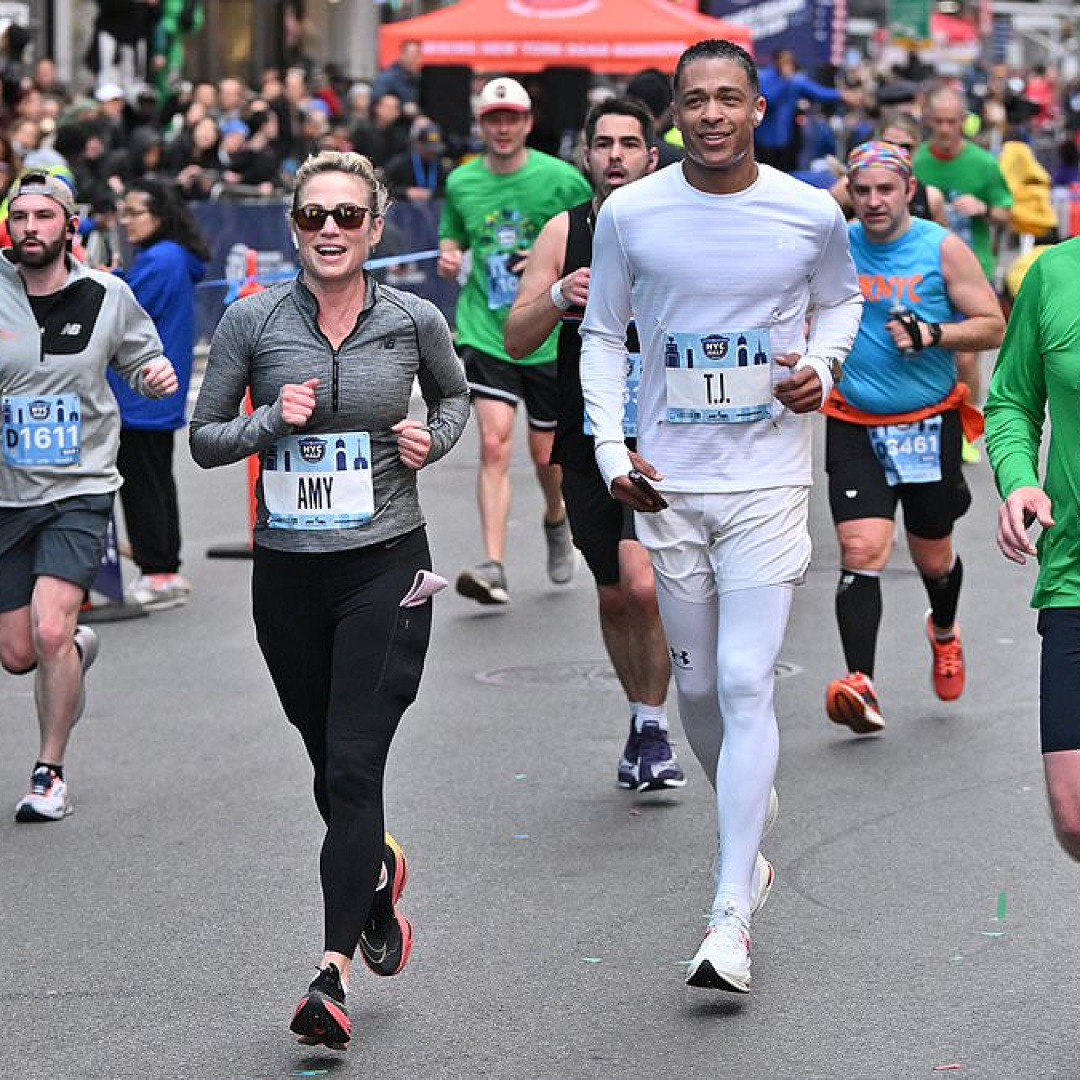
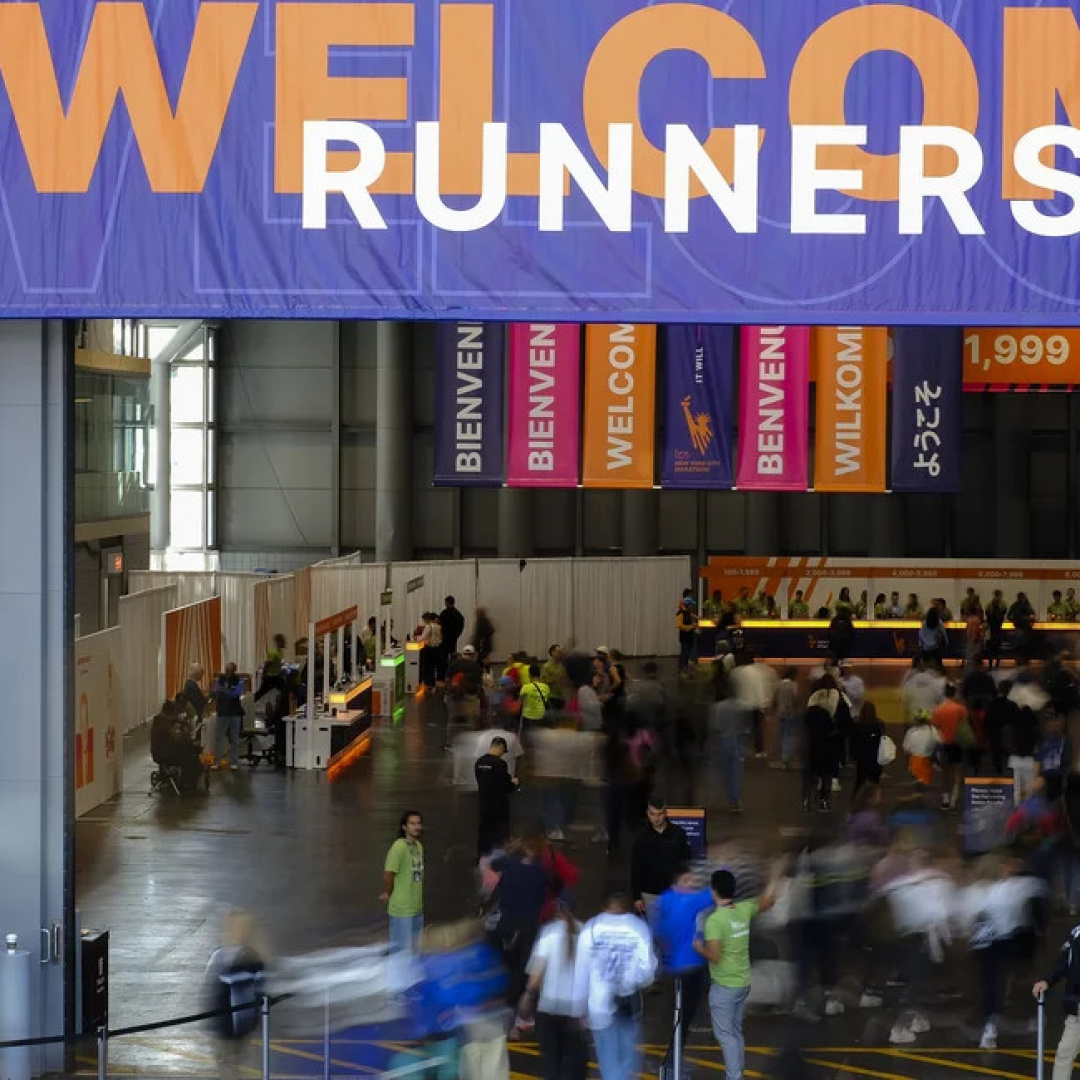
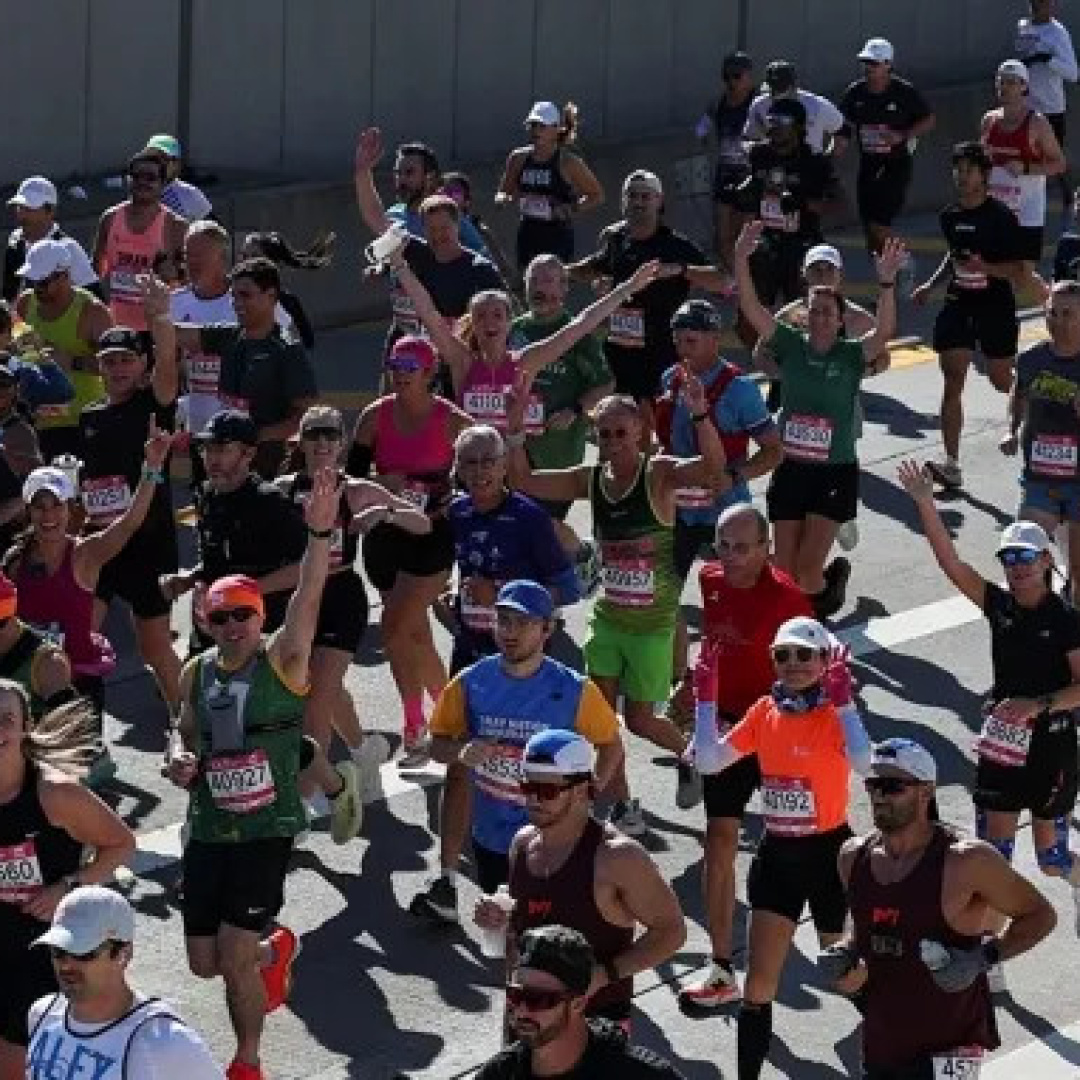
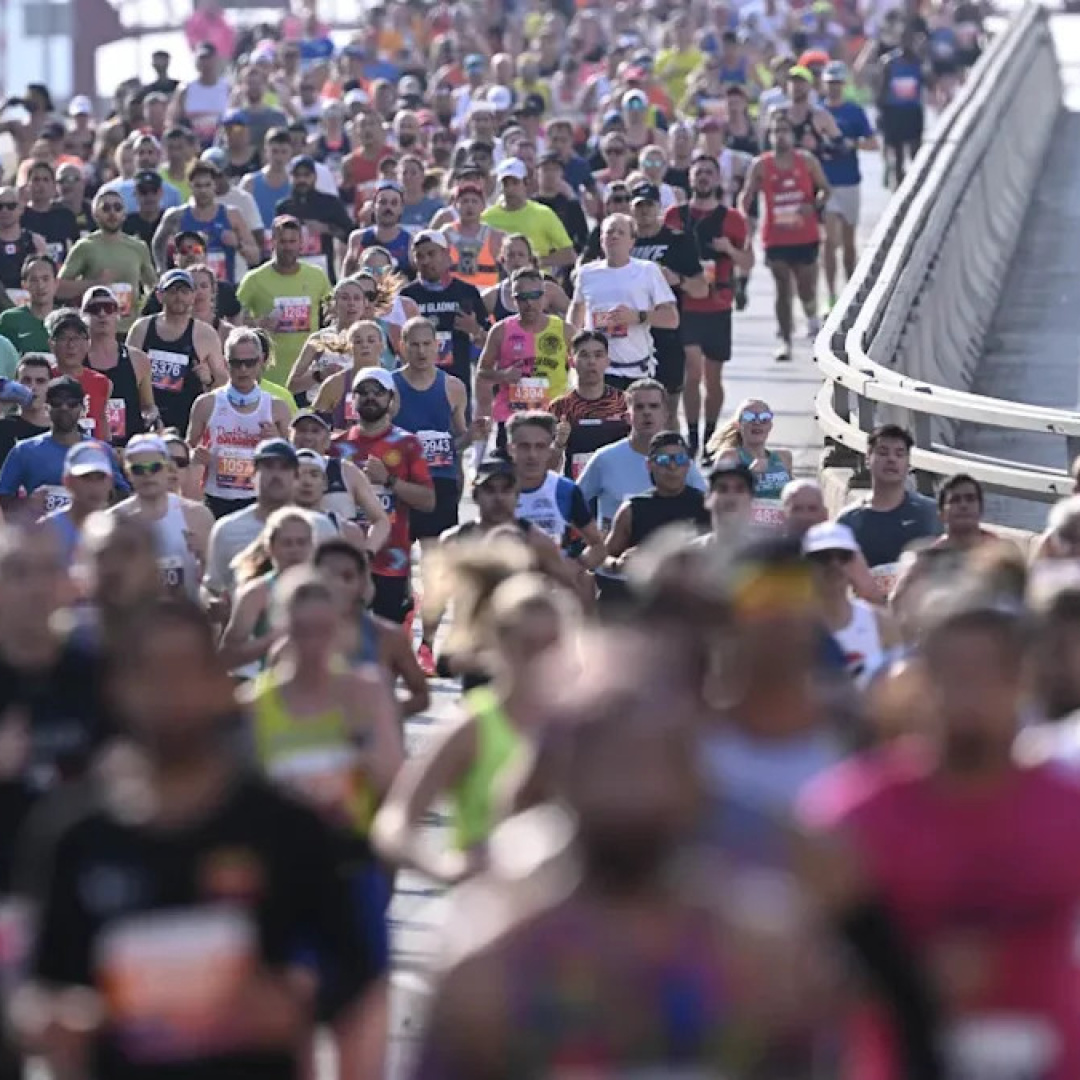
As nearly 60,000 runners prepare to tackle the iconic 26.2-mile course of the New York City Marathon on November 1, the spotlight often shines on the finish line. However, for Joanne Navarra, the true excitement begins at the start, where the full spectrum of human experience unfolds. "It's more exciting than the finish because you have everybody at one time, and it's like an adrenaline rush," she shares.
This year is particularly special as it marks the 50th anniversary of the marathon's five-borough course, a milestone that resonates deeply with Navarra, who has served as the head volunteer at the race's start village in Fort Wadsworth for half a century. "I never thought that the first year I was there, I'd still be doing this 50 years later, but I enjoy it," she recalls.
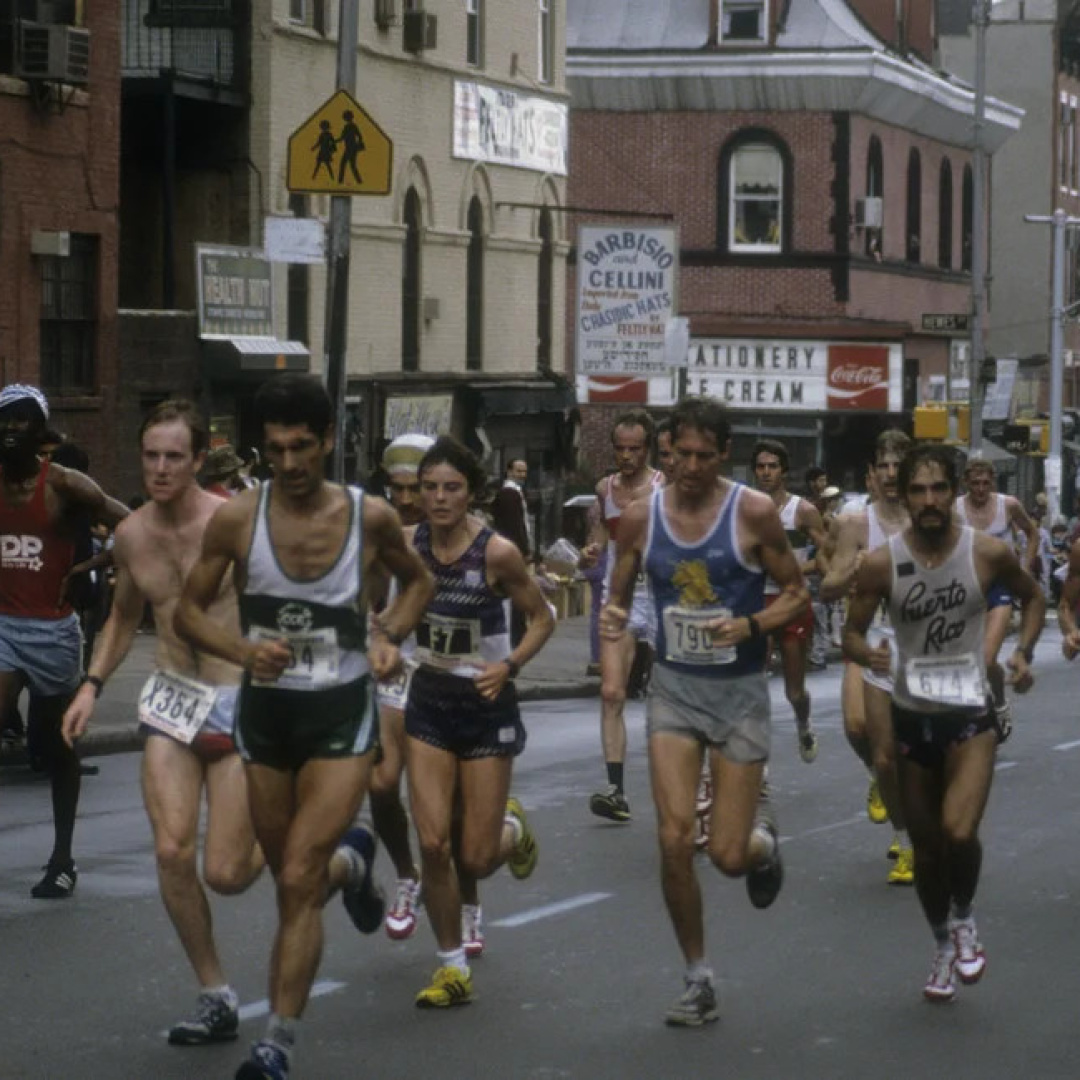
The marathon's starting line shifted from Central Park to Staten Island on October 24, 1976, as part of New York City's celebration of the U.S. Bicentennial. This change allowed runners to traverse five bridges and all five boroughs: Staten Island, Brooklyn, Queens, the Bronx, and Manhattan. Back then, the event was a far cry from the sprawling start village seen today, with only 2,090 participants paying a $5 entry fee, supported by a small group of volunteers.
"It felt like just a local race. You went to Fort Wadsworth and signed up to run. My husband wanted to run, and I thought he was out of his mind. I said, 'What am I going to do?' So I started volunteering," Navarra reminisces. Little did she know that this decision would lead to a lifelong commitment to the marathon and a new adventure for her and her husband, Victor, a New York City Fire Department lieutenant.
Honoring a Legacy Through Marathon Commitment
As the race grew, so did their responsibilities. After a few years, race co-founder Fred Lebow entrusted them to manage the entire start. Navarra even participated in the marathon herself a few times, volunteering in the early morning and then racing to the back of the starting line to join the runners.
However, the experience of race day changed for Navarra after Victor passed away in 2007 from paranasal sinus cancer, a condition attributed to his volunteer work at Ground Zero following the September 11 attacks. Continuing their marathon tradition has become a meaningful way for her to honor his legacy. "It was a passion for him. He loved the start because it brought everyone together," she reflects. Victor's determination to attend the marathon, despite his illness, remains a poignant memory for Navarra. "He made a list of things he wanted to do, and attending the marathon was his last goal. He was determined to be there, come hell or high water," she says.
The Run-In
Now, 19 years later, Navarra continues to lead the charge, overseeing the construction of the start village, hosting meetings with volunteers, and coordinating logistics for race day. On the big day, she can be found 85 feet in the air in an FDNY truck, directing operations from above despite her fear of heights. "I think Victor would be proud that I've continued to do it and maintained all the relationships we've built over the years," she adds.
As nearly 2,000 volunteers gather under her guidance, the marathon will be a celebration not just for the runners but for Navarra, who has dedicated her life to making the starting line a joyful place for all. "You don't really see a sad face. It's just nice to see everybody together and having a good time," she concludes.