Changes to NYC Marathon Entry Process Spark Controversy
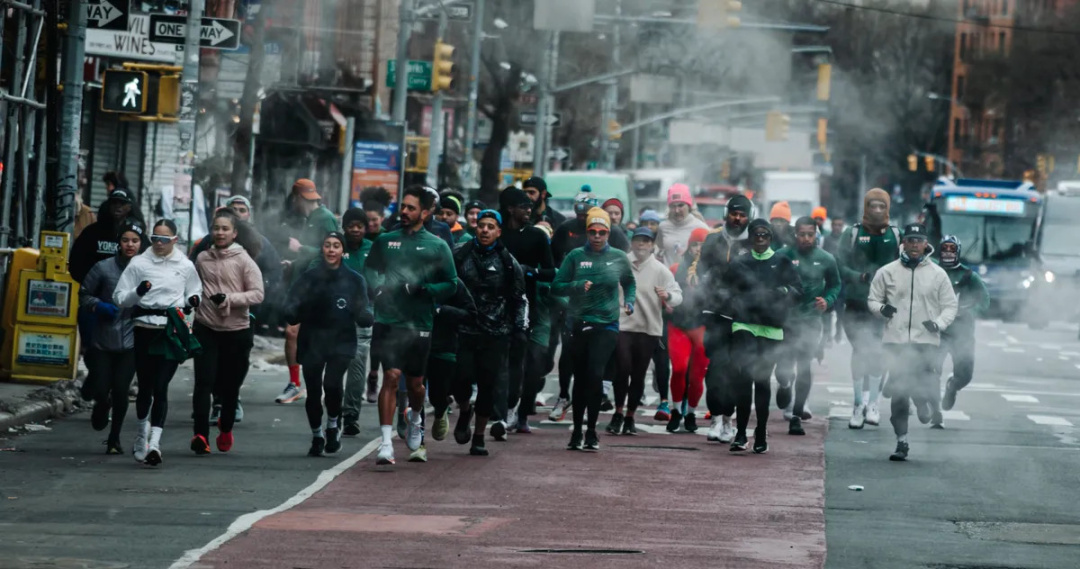
This August, marathon hopefuls across New York City received disheartening news: race fees were increasing, and the popular 9+1 program, which guaranteed marathon entry to anyone who completed nine races and volunteered at another, was undergoing significant changes. The program now includes a lottery system for a chance to participate, and thousands of available slots have been cut. This shift has led to widespread discontent within local run clubs and online forums, with many pointing fingers at the New York Road Runners (NYRR).
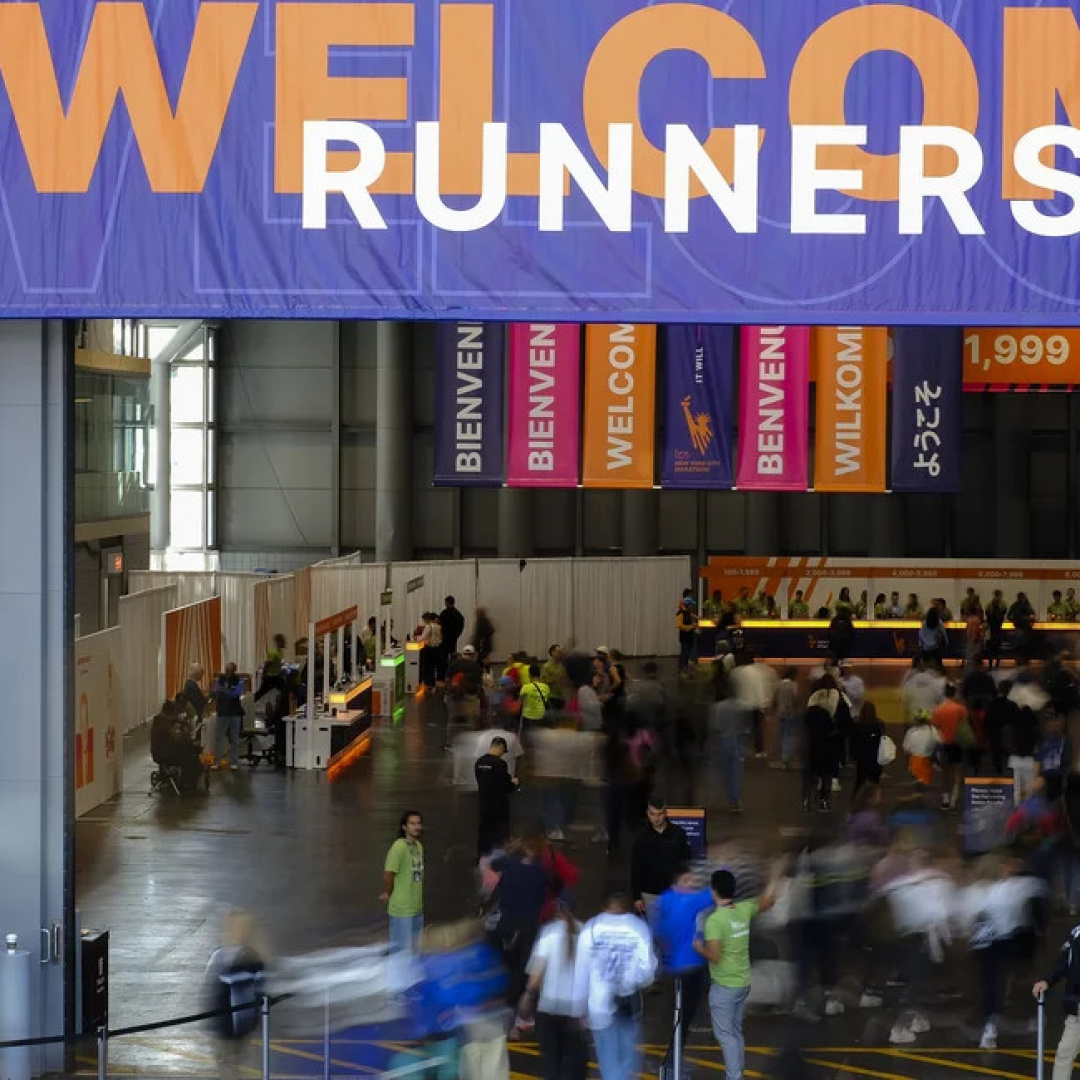
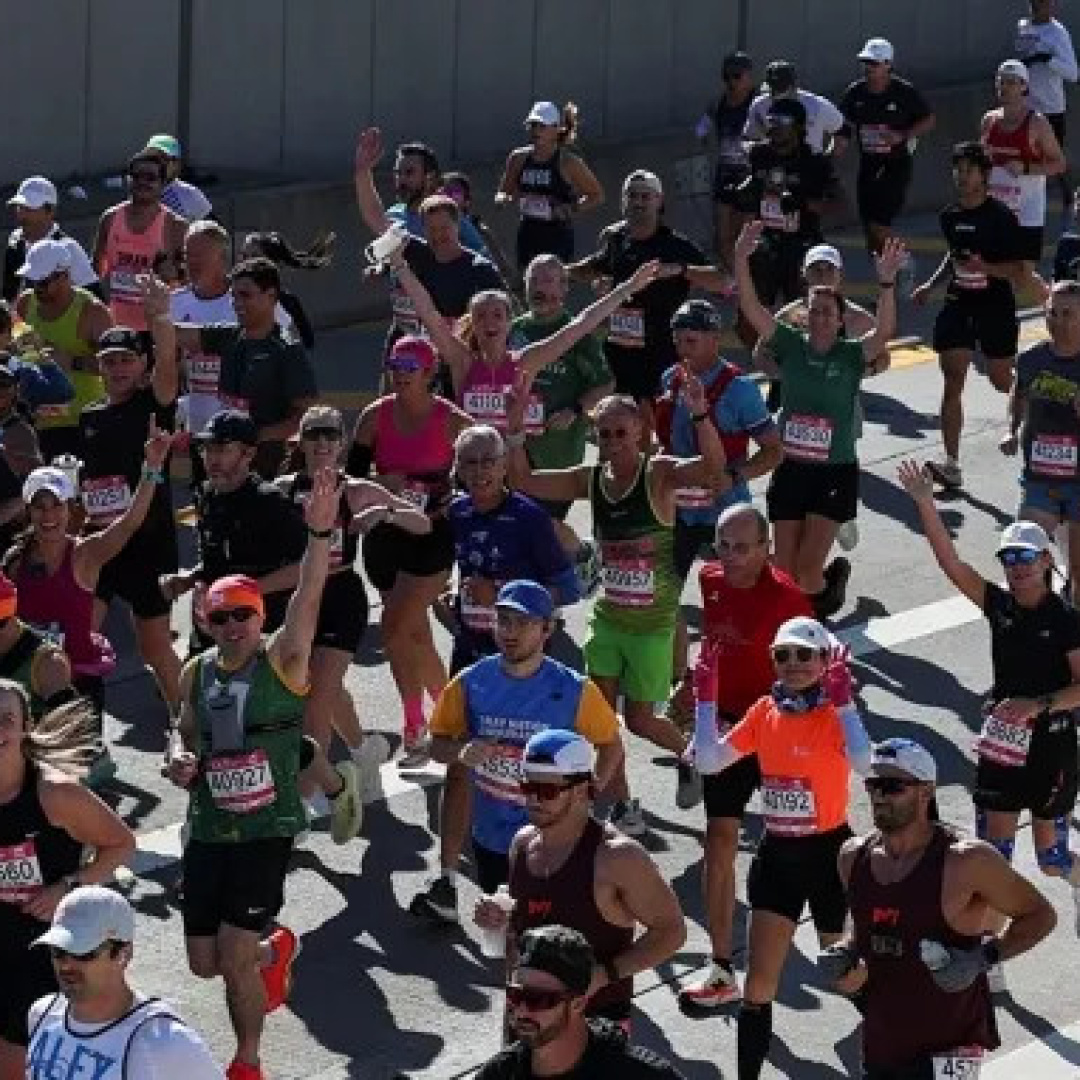
The New York City Marathon, celebrated for its inclusivity and community spirit, marks its 50th anniversary this year. However, the NYRR is increasingly viewed as an authoritarian figure in the marathon scene. As the organization responsible for managing the race, it faces the challenging task of balancing demand with accessibility. This year, a record 240,000 people applied to run the marathon, a significant increase from the 185,000 applicants in 2020, leading to a record number of rejections. "It feels like these races are becoming more elite all the time," says Stephanie Fidis, a long-time NYRR participant. Others echo her sentiments, suggesting that the organization is prioritizing profit over accessibility.
NYRR CEO Rob Simmelkjaer acknowledges the criticism but emphasizes that the changes are necessary to manage the unprecedented demand for marathon entries. He insists that if the organization were solely profit-driven, it could charge significantly higher fees and still sell out races. Instead, Simmelkjaer highlights NYRR's nonprofit status and commitment to making running accessible to all.
Despite the backlash, Simmelkjaer believes the new system is crucial for maintaining the integrity of the marathon, particularly for charity runners who raise substantial funds for various causes. This year, the marathon aims to raise $100 million for nonprofits, showcasing its role as an economic engine for the city, generating an estimated $800 million in spending. NYRR invests millions into community programs, including free running initiatives for local youth.
However, the increasing commercialization of the marathon has raised concerns among grassroots running clubs. Some leaders argue that NYRR's practices are limiting access for everyday runners while favoring charity entries that can afford higher fees. Simmelkjaer counters these claims by pointing to the thriving community of runners training independently of NYRR programs.
NYRR's Commitment to Community and Diversity
Last year, NYRR reported record revenues of $133 million, with a significant portion reinvested into community services. The organization has faced scrutiny in the past, including a lawsuit against a smaller race company, but Simmelkjaer believes the organization is moving in the right direction. He has introduced initiatives to enhance inclusivity within the organization and is focused on promoting diversity in running.
As NYRR celebrates the legacy of its founding president, Ted Corbitt, who envisioned running as a means for integration and civil rights, Simmelkjaer is tasked with upholding that vision while navigating the complexities of modern marathon management. The recent rebranding efforts reflect a commitment to inclusivity, with a new logo designed to represent the diverse community of runners.
The Last Mile
As the marathon approaches its 50th anniversary, the challenge remains: how to maintain its spirit of inclusivity while managing the growing demand for entries. Simmelkjaer acknowledges the need for ongoing dialogue with the running community to ensure that the marathon remains a celebration for all, not just an elite few. The future of the New York City Marathon will depend on finding that balance, ensuring that it continues to inspire and welcome runners from all walks of life.
In the face of rising costs and changing entry processes, the NYRR's commitment to community and inclusivity will be put to the test. As runners prepare for the upcoming marathon, the organization must navigate the complexities of maintaining its core values while adapting to the realities of a booming interest in distance running. The marathon's legacy as a communal event hinges on its ability to evolve without losing sight of the diverse community it serves.