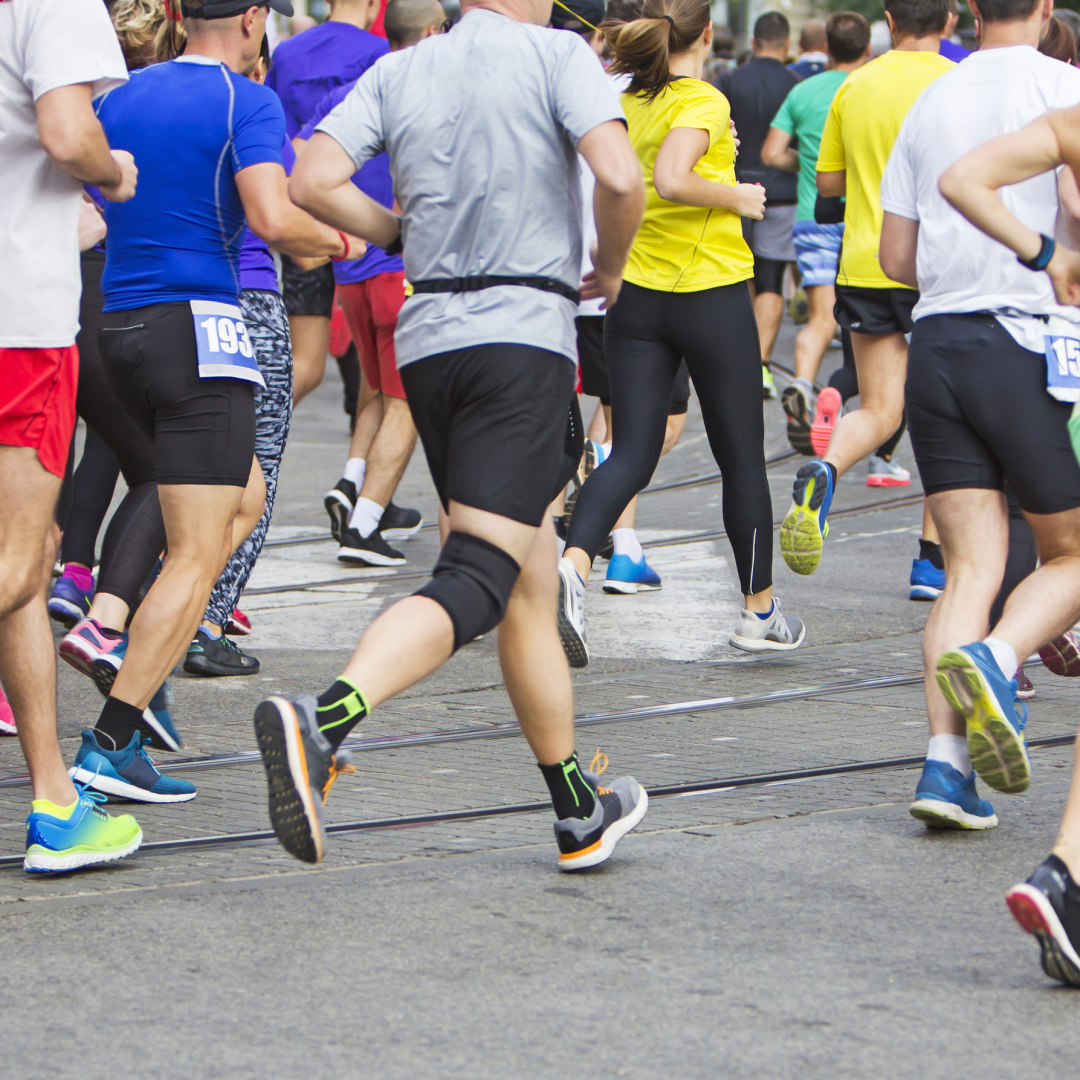
Singapore International Marathon Introduces Medic Runners for Safety
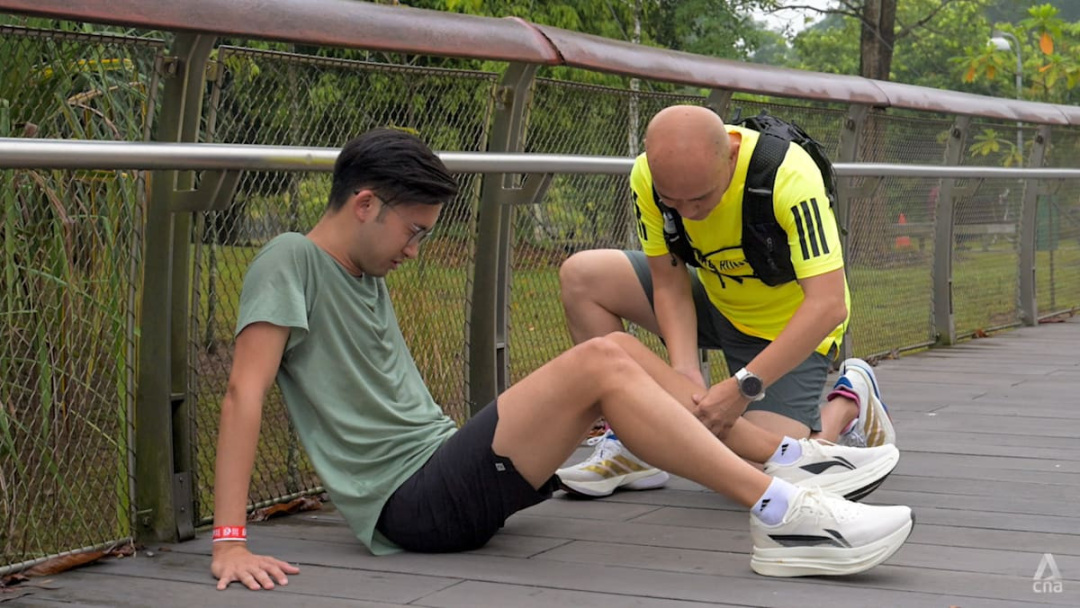
In an innovative move for the Singapore International Marathon, 238 specially trained runners will be on standby this year to assist fellow participants experiencing medical emergencies. This initiative marks the first time a medic runner category has been introduced to the event, aiming to improve safety for runners navigating the challenging conditions of Singapore's hot and humid climate, where incidents like heat stroke and dehydration are not uncommon.
The decision to implement this program follows a series of medical emergencies at local races, including the tragic death of a participant at the Standard Chartered Singapore Marathon in December 2024. In light of such incidents, race organizers are taking proactive steps to ensure the safety of all participants. During the Standard Chartered Half Marathon last year, a runner collapsed mid-race but was successfully revived thanks to the quick actions of fellow runners who administered CPR.
The medic runners will serve as first responders, ready to provide life-saving assistance when needed. These individuals will undergo medical training in the months leading up to the race, preparing them to run alongside participants during the half-marathon on December 5 and the full marathon on December 6. Both race distances are sold out, and the medic runner category has also closed for sign-ups.
Leon Lai, CEO of SG International Marathon Pte Ltd, shared that the inspiration for this initiative came from similar programs in races abroad, such as the Bangsaen21 Half Marathon in Thailand. Lai emphasized that having trained individuals on the course could be more effective than relying solely on medical outposts or evacuation plans. "I think no number of medical outposts or medical evacuation plans can replace the idea of having someone who's able to assist you on the course itself," he stated.
Medic Runners: A Unique Commitment
While there will be no medic runners for the shorter 10km and 5km races, as organizers believe there are sufficient medical response units for those distances, the medic runners for the longer events will enjoy the perk of free race entry. However, they are contractually obligated to prioritize their duties over personal race goals, meaning they must stop their own run to assist any stricken runners.
The medic runners program has stringent selection criteria. Applicants must be Singapore residents to ensure they can attend mandatory training sessions and practice runs. Out of over 1,300 applications, only 238 were selected. The training, provided in partnership with Lentor Training Centre, covers essential skills such as CPR, wound care, and allergy treatment. Even those with prior medical experience must complete the training to ensure consistency in care.
The Run-In
Participants like Sabrina Zainol, a full-time nurse, felt compelled to join the medic runners after realizing her medical background could be beneficial during the race. "If anything happens along the course, at least I can use my skills to good use," she remarked. Similarly, Ho Ket Hyun, a consultant and seasoned marathoner, signed up to give back to the running community after witnessing the need for medical assistance in previous races.
Both medic runners and the race organizers recognize the importance of being prepared for medical emergencies. They are required to participate in running sessions to understand the physical demands of the marathon and to ensure they can effectively assist their fellow runners when needed. This initiative not only enhances the safety of the event but also fosters a sense of community and support among participants, highlighting the spirit of camaraderie that defines marathon running.