Celebrating 50 Years of the NYC Marathon: A Journey of Change
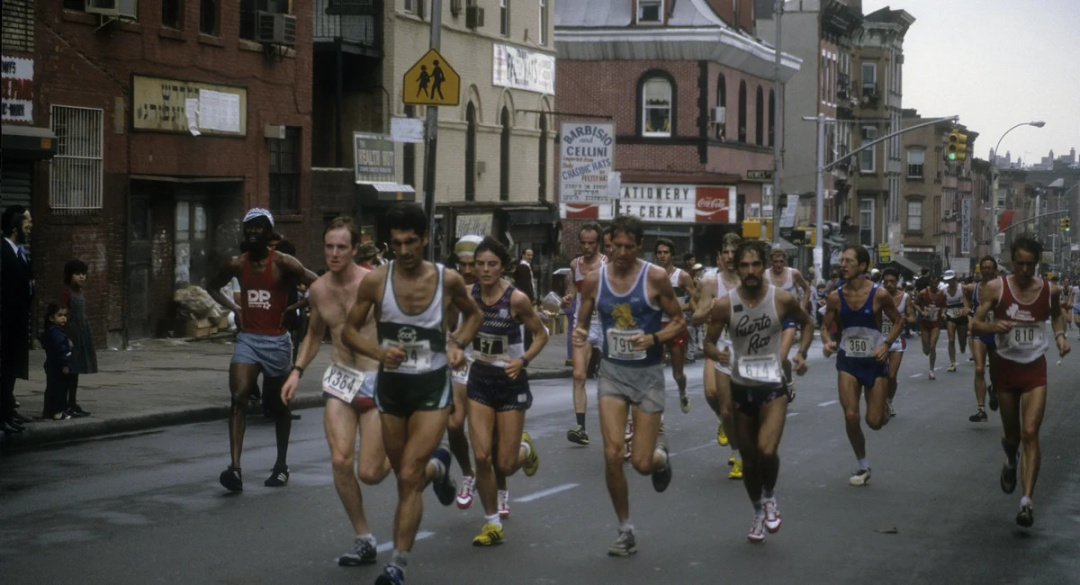
The New York City Marathon is celebrating a significant milestone this year, marking its 50th anniversary since its inception as a five-borough event. The first official marathon in 1970 featured just 127 runners who paid a mere $1 to compete in four loops around Central Park. Today, entry fees range from $250 to $350, reflecting the race's growth and popularity.
Initially intended as a one-time event for the U.S. Bicentennial in 1976, the five-borough marathon has become a cherished tradition in New York City. It has evolved into a symbol of joy, competition, and community spirit, transforming from a race into a cultural phenomenon that resonates with both locals and visitors alike.
While the marathon's core elements and distance remain unchanged at 26.2 miles, the surrounding culture and logistics have undergone remarkable changes. Ted Metellus, the chief event production officer and race director since 2024, notes that the city itself has changed dramatically since the marathon's early days. In the 1970s, New York was grappling with economic challenges and safety concerns, and the marathon emerged as a beacon of hope during those turbulent times.
The race route has remained largely consistent over the years, with only minor adjustments, such as a recent change in the Bronx. However, the size and diversity of participants have seen a significant shift. Last year, the marathon set a new record with over 59,000 finishers. Dave Obelkevich, the race's top streaker, has participated in every five-borough race since its inception and highlights the dramatic increase in both the number of runners and the inclusion of women and diverse groups.
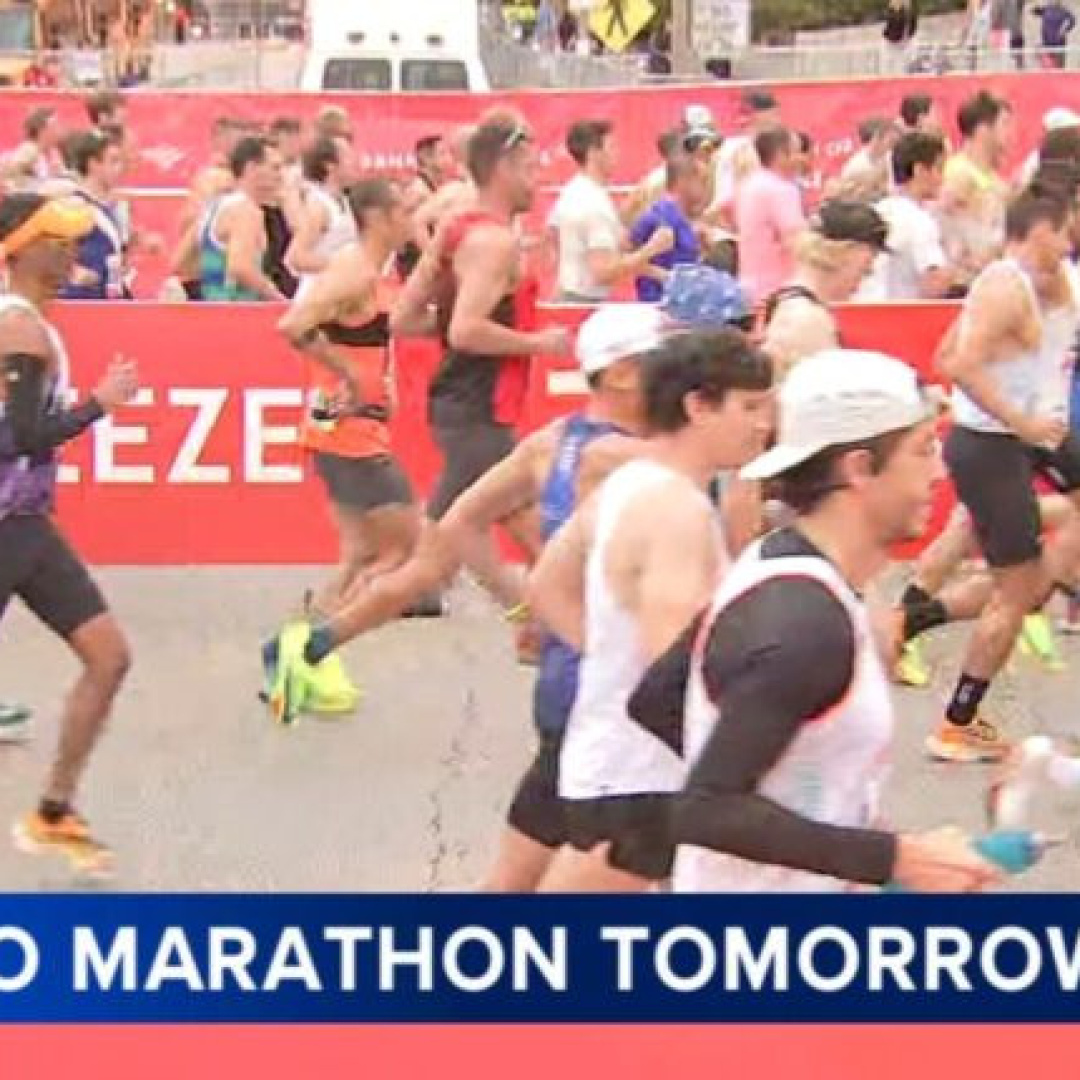
In the early days, the race was predominantly attended by local runners, but today, it attracts participants from around the globe. With over 240,000 applicants from more than 160 countries for this year's marathon, the competition has intensified. The introduction of a lottery system in 1996 and the current model of multiple starting waves have helped maintain inclusivity while managing the growing number of participants.
Evolving Logistics and Community Support
The marathon's logistics have also evolved significantly, with modern amenities such as over 1,600 portable toilets and extensive hydration stations along the course. This year, around 11,000 volunteers are expected to assist in preparations, demonstrating the community's commitment to supporting the event.
Technological advancements have transformed the marathon experience, with timing chips on bibs allowing for accurate tracking of runners and enhancing communication with supporters. This modernization contrasts sharply with the early days when race officials operated with basic tools and limited resources.
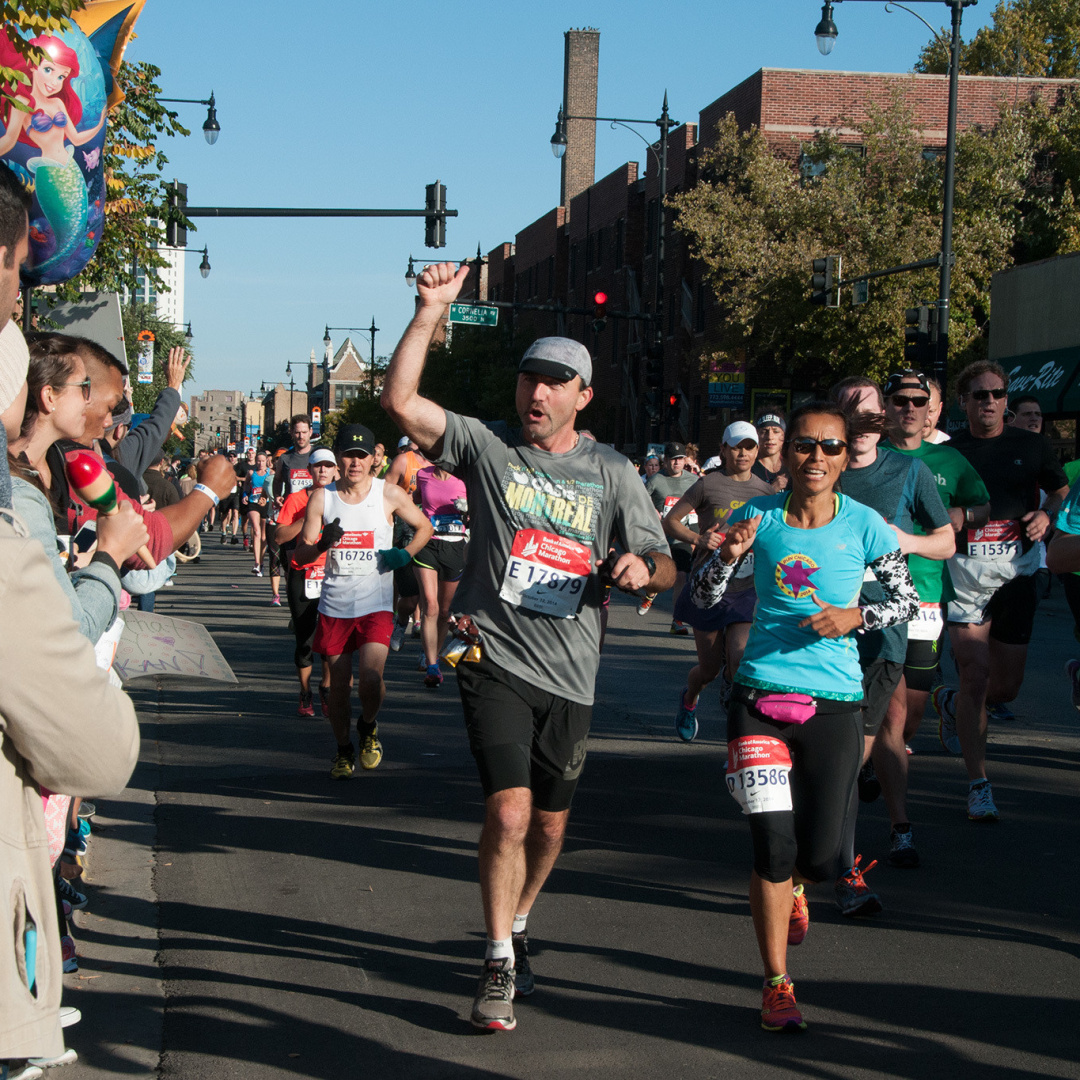
The atmosphere surrounding the marathon has shifted as well. Once characterized by sparse spectators and a sense of isolation, today's races are filled with enthusiastic crowds cheering on runners. The marathon has grown from a niche event to a mainstream aspiration, with many viewing it as a bucket list goal rather than an exclusive challenge for elite athletes.
The Home Straight
As the NYC Marathon continues to grow and adapt, it remains a testament to the resilience of the city and its runners, embodying the spirit of community and determination that defines the race.
Looking forward, the NYC Marathon is poised to continue its legacy as a premier running event. With ongoing efforts to enhance inclusivity and accessibility, the race aims to welcome even more participants from diverse backgrounds. As it celebrates its 50th anniversary, the marathon not only honors its rich history but also embraces the future of running in New York City and beyond.