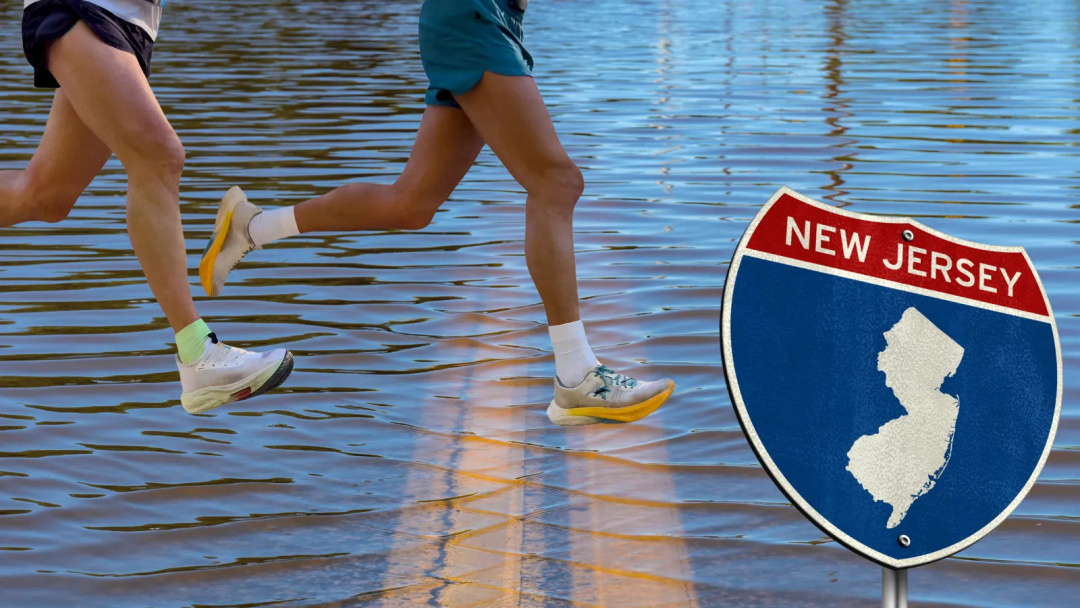
New Jersey Half-Marathon Under Investigation After Runners Face Flooding
An investigation has been launched after a half-marathon in New Jersey turned chaotic when runners encountered waist-deep floodwaters during a torrential downpour. The Racefaster Half Marathon, held in Paramus, faced severe weather conditions that led to significant flooding, prompting Bergen County officials to review all circumstances surrounding the event.
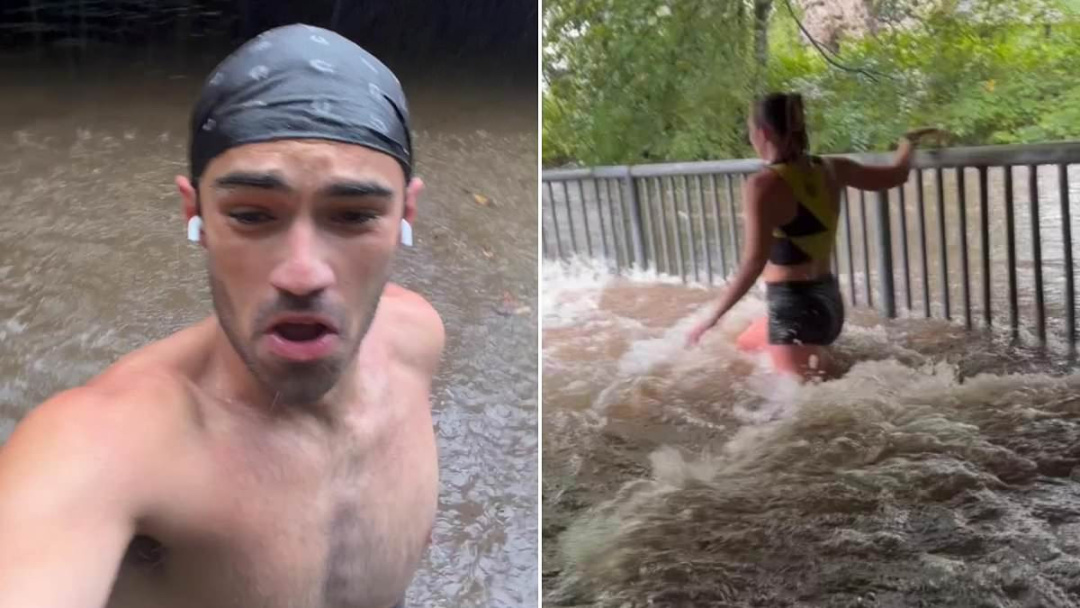
On Sunday, heavy rains caused widespread flooding across Northern New Jersey, Westchester County in New York, and Fairfield County in Connecticut, with several inches of rain falling in just an hour. Despite the adverse weather, Racefaster opted to proceed with the race, pushing the start time back by two hours but not altering the course, which ran alongside the Saddle River. Participants were seen in videos struggling through the flooded course, holding onto railings to avoid being swept away by the current.
"People were surprised it was going on. I think a lot of reasonable people walked away and got back in their cars. I think a lot of other reasonable people stopped about halfway through," said runner Theo Puccio, who managed to finish fourth overall. He captured videos of the challenging conditions, which quickly went viral, showcasing the determination of runners navigating a flooded course.
Another participant, Garret Nathan, expressed frustration over the lack of communication from race organizers regarding the race's status. "I kept checking my email from the race directors and got no notifications about a cancelling," he stated. As the race began, Nathan noted the treacherous conditions, saying, "It was such a downpour, and you couldn't even walk on the grass. It was muddy. It was all flooded out."
Safety Concerns and Participant Choices
Bergen County officials revealed that they had advised Racefaster to utilize an alternate route to avoid high-risk flood areas. However, many participants chose to disregard this advice, opting to run through the floodwaters instead. Despite the hazardous conditions, approximately 250 runners completed the race, with Puccio noting that the last few miles were highly competitive, as he and others vied for top placements.
The incident has raised significant safety concerns regarding race management and the decision-making processes of event organizers during extreme weather conditions. As the investigation unfolds, it will likely lead to a reevaluation of safety protocols to ensure the well-being of participants in future events.
The Last Mile
The challenges faced during the Racefaster Half Marathon highlight the need for stringent safety measures in race organization, especially in areas prone to severe weather. As running events continue to grow in popularity, ensuring participant safety must remain a top priority for organizers. The outcome of the investigation will not only impact the Racefaster organization but could also set a precedent for how similar events are managed in the future, particularly in light of increasing weather unpredictability due to climate change.
As the investigation progresses, it serves as a crucial reminder for both runners and organizers about the importance of prioritizing safety over competition. Events like the Racefaster Half Marathon should be a celebration of endurance and community, not a test of survival against nature's fury. Moving forward, it will be essential for race organizers to adopt more robust contingency plans and communicate effectively with participants to ensure that safety remains paramount in every race setting.