Gear Choices That Guided Me Through the Leadville 100 Ultramarathon
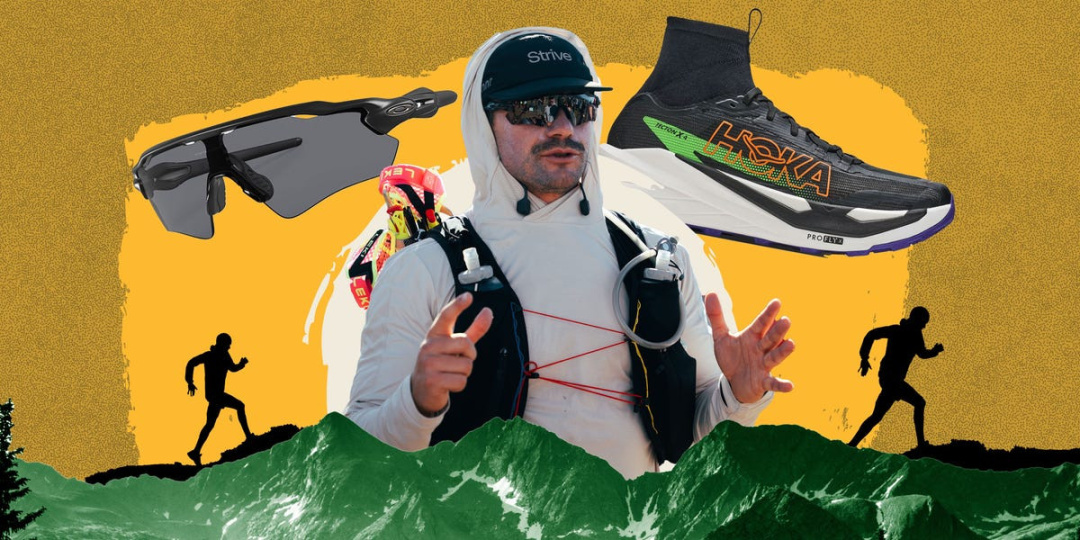
Jack Espy, an entrepreneur and athlete, chronicles his journey through the Leadville 100 ultramarathon, a grueling 100-mile race in the Colorado mountains. On August 22, he faced not only the physical challenge of the course but also the mental hurdles that come with such a demanding event. After 28 hours and 26 minutes, he crossed the finish line, reflecting on the experience as one of the most incredible of his life. Espy emphasizes a key takeaway: the body can endure much more than the mind often believes, especially when one keeps moving forward despite discomfort.
To tackle the challenges of the Leadville 100, Espy relied heavily on his gear, which needed to adapt to the varying conditions over the course of the race. From heat and sun to river crossings and significant temperature changes, he crafted a strategy that involved modifying his equipment at key aid stations. His approach was to have backup options ready while also trusting his instincts when something was working well.
Starting off, Espy wore the Hoka Tecton X 4 shoes, which became a standout choice for him during the race. He paired them with SweetFeet V2 Performance Socks, opting for lubrication over tape to prevent blisters. His shorts were Bandit Vento 5”, and he wore a Strive Soda Lululemon EasySet Training Sleeveless Shirt along with Path Projects Moab Arm Sleeves. For sun protection, he sported a Strive x Rnnr Wordmark Hat and Oakley Radar EV Path sunglasses. His hydration strategy began with the Salomon ADV Skin 10 Hydration Vest, which he filled with a 2-liter reservoir and two soft flasks.
At mile 26, Espy made his first significant gear change, keeping the shoes and socks but switching to a larger Salomon ADV Skin 12 Hydration Vest to accommodate more fuel and a jacket. He also traded his running hat for a Ciele Bucket Hat for better sun protection and changed into a Path Projects Wadi LS Tee 2.0 to stay comfortable in the heat. This was a critical moment as he prepared for the challenging ascent of Hope Pass.
Strategic Gear Adjustments at Twin Lakes
As he reached Twin Lakes, a major transition point, Espy switched from the Tecton to Hoka Speedgoat 7 shoes and added gaiters for protection against mud and debris. He also changed into Creepers Toe Socks, which provided additional comfort after 40 miles of running. With the terrain becoming increasingly challenging, he refueled with real food, including sandwiches, to sustain his energy levels.
After reaching the turnaround at Winfield, Espy prepared for the return trip over Hope Pass. He added cold-weather gear to his vest, including an Arc'teryx Norvan Windshell Hoody and a beanie, recognizing the unpredictable mountain weather. He also picked up a Black Diamond Storm 450 Headlamp to navigate the darkness that awaited him.
Beyond the Finish
As he progressed through the race, Espy remained attentive to his body's signals. He ultimately decided to return to the Tecton X 4s for the final stretch, trusting their comfort despite having planned to switch shoes. His choice to stick with what felt right proved crucial as he completed the last 40 miles with the same shorts and socks he had started with, demonstrating that adaptability and listening to one's body are key in ultramarathon racing.
Crossing the finish line, Espy reflected on the lessons learned from his experience. He acknowledged the importance of having a detailed plan but highlighted that flexibility is essential when tackling such an extreme challenge. The best gear, he concluded, is the kind you forget about as you focus solely on moving forward, reinforcing the idea that endurance running is as much about mental resilience as it is about physical preparation.