Walt Stack: A Pioneer of Inclusivity in the Running Community
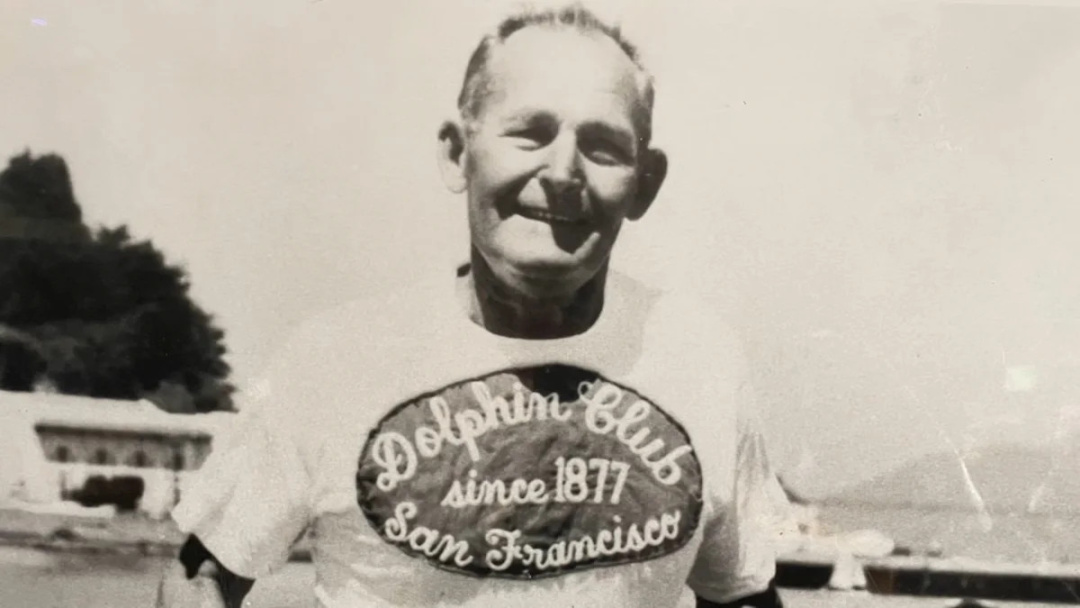
Long before running became one of America's most popular recreational activities, it was largely dominated by men. In the Bay Area, one of the key figures who helped change that was Walt Stack, a runner whose commitment to inclusion influenced generations of athletes. Stack founded the Dolphin South End Runners club in 1966, creating an environment that welcomed women, children, and older adults at a time when many running organizations remained exclusive.
Phyllis Nabhan credits Stack with encouraging her to become involved in the sport. "He said, I belong to the Dolphin South End Running Club and you need to join," Nabhan recalled. By the time Nabhan was running Bay to Breakers in 1985, women were becoming increasingly visible in distance running, but the path had not been easy. She remembered the attention she received from a newspaper photographer during one race, which highlighted the challenges women faced in gaining recognition in the sport.
Journalist Ward Bushee, who wrote about Stack early in his career, noted that Stack's views on gender inclusion were ahead of their time. "He was always very progressive and forward-thinking about women and how they could be part of this recreational thing. You have to remember that this was before the Boston Marathon allowed women in the race," Bushee said. The issue gained national attention in 1967 when Kathrine Switzer completed the Boston Marathon despite attempts by a race official to remove her from the course.
Less than a decade later, Joan Ullyot's 1976 book "Women's Running" challenged misconceptions about female athletes. Nabhan recounted the discrimination women faced in the 70s, with people claiming that women weren't supposed to run, fearing for their health. While many athletic organizations resisted change, Stack's running club welcomed a broad range of participants. "That was really one of the main things about the DSE runners was that they wanted to be inclusive of women and kids, everybody and old people," said John Horner, president of the Dolphin Swim Club.
Horner added, "Walt knew how good running was for both your body and your spirit." Although Stack's running club embraced women from the beginning, the Dolphin Swim Club and South End Rowing Club did not admit women until 1976, after a court ruling found that organizations operating on public land could not discriminate based on gender. "He was a big proponent of people. He cared so much that everybody got to be who they could be, the best they could be and that he was inclusive, he included women in that algorithm so we all benefited from Walt's leadership," said Dolphin Swim Club member Diane Walton.
Walt Stack's Lasting Impact on Running Culture
Stack's influence eventually extended far beyond the Bay Area. In 1988, Nike selected the then-80-year-old runner as the first athlete featured in its new "Just Do It" advertising campaign. "I run 17 miles every morning..." Stack said in the commercial. The choice surprised many because Stack was not an elite professional athlete. Instead, he embodied the idea that running was for everyone. "Of all the great athletes in the world, the first 'Just Do It' ad was Walt Stack piling along the Golden Gate Bridge with no shirt on, no teeth in," Bushee noted.
In the advertisement, Stack became known for one of the campaign's most memorable lines. "People ask me how I keep my teeth from chattering in the wintertime. I leave them in my locker," he quipped. For many runners, the commercial demonstrated that athletic achievement was not limited by age or appearance. "Waving at people, big kind of gut and just trolling along and it just meant so much, I think, in terms of bringing people together in terms of running to say, hey if he can do that, I can do that," Bushee said.
Breaking the Tape
Today, younger runners may not recognize Stack's name, even as they benefit from the more inclusive running culture he helped create. "The fact that women weren't allowed to join running clubs, how do you feel about that now? I mean that like is crazy now, there are so many women that run more like, back then definitely there weren't many opportunities for women to join running clubs," runner Sonya Ahmed said. Asked about her own commitment to the sport, Ahmed said: "Yeah, definitely I feel like it's something that is an outlet for me, I run like almost every day."
Those who run across the Golden Gate Bridge today may be unaware of Stack's contributions to the local running movement, but those who knew him say his impact remains visible in every stride. "I was lucky to know him as much as I did. I appreciate the inspiration that he gave to me and everybody else," Horner said.