Running Club Membership Boosts Performance in London Marathon
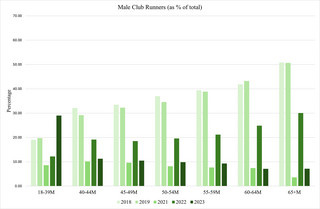
A new study published in PLoS ONE investigates the relationship between running club membership and marathon performance, specifically focusing on the London Marathon. Utilizing data from 206,653 runners, the research reveals a statistically significant correlation between being part of a running club and improved race times for both male and female participants. The findings suggest that club membership may help mitigate the decline in pace associated with aging, resulting in substantial improvements in finishing times that could reach up to 40 minutes.
The study employs a production function framework, aligning with economic principles to analyze how club membership contributes to marathon performance. By treating club membership as a variable that encompasses the benefits of structured training programs, coaching, and community support, the research underscores the social factors that influence athletic outcomes. This approach not only adds to the existing literature on marathon performance but also highlights the importance of group dynamics in enhancing productivity among runners.
The implications of this research extend beyond the realm of marathon running. Athletic clubs and their governing bodies can leverage these findings to inform recruitment strategies, marketing efforts, and policies aimed at fostering participation across various age groups. The evidence of improved run times associated with club membership may encourage runners to join clubs, thereby enhancing their training practices and overall enjoyment of the sport.
Expanding Benefits Beyond Marathon Running
Moreover, the study suggests that the benefits of club membership could apply to other individual sports, such as cycling and swimming, where group dynamics play a crucial role in performance. By providing runners with quantifiable data on the advantages of joining a club, the research aims to motivate both competitive and recreational runners to engage more deeply with their sport, potentially leading to better race outcomes and a lifelong commitment to running.
The Home Straight
The authors also discuss how the principles of economic organization can be observed in running clubs, where social interactions and shared goals foster a sense of community among members. This community aspect not only enhances individual performance but also contributes to a supportive environment that encourages runners to achieve their personal bests. The findings reinforce the idea that being part of a group can significantly impact motivation and productivity, which is critical in endurance sports like marathon running.
As the popularity of running continues to grow, understanding the dynamics of club membership and its effects on performance becomes increasingly relevant. The research serves as a valuable resource for runners, coaches, and athletic organizations, providing insights that can enhance training methodologies and promote the benefits of collective participation in the sport. By highlighting the positive outcomes associated with running clubs, this study aims to inspire more athletes to embrace the camaraderie and support that these organizations offer, ultimately leading to improved performance and a richer running experience.