Badenoch's Controversial Comments on Disability and Work
Conservative leader Kemi Badenoch has sparked controversy with her remarks suggesting that the achievements of double amputees running marathons should imply that more disabled individuals ought to seek employment rather than rely on benefits. Her comments were met with backlash from Paralympian Richard Whitehead, who accused her of "weaponising" his sporting success. Whitehead, a double amputee who has won four Paralympic medals, expressed his disbelief on social media, stating that disability should not be judged solely through isolated examples of individual achievement. He emphasized that many disabled individuals face daily barriers that cannot be overlooked.
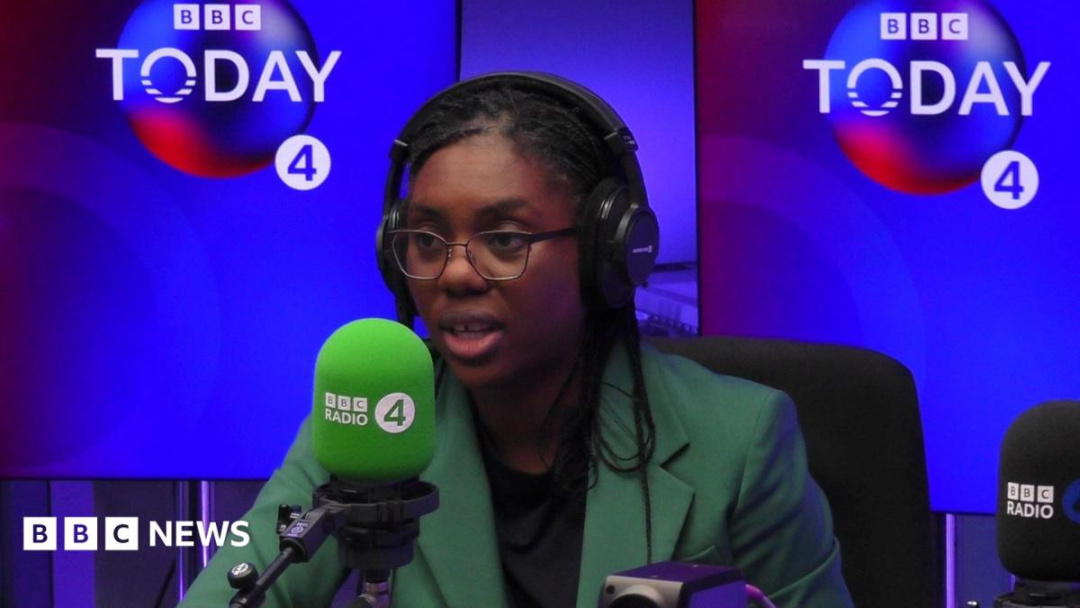
In an interview with BBC Radio 4's Today programme, Badenoch defended her statements, asserting that if individuals with significant disabilities can work, then those with conditions like ADHD and mild anxiety should also be encouraged to do so. When asked if she recognized the insensitivity of her comments, she firmly replied, "No, no, no. I do not accept it. I will speak the truth, and I will say what I believe is common sense."
Badenoch acknowledged that she had used "extreme examples to illustrate things" but maintained that if some individuals can achieve remarkable feats, such as running marathons, then others with less severe conditions should also find ways to contribute to the workforce. She stated, "If you can work, you should work, and the Conservative Party is going to help you get a job."
The Conservative Party's welfare proposals, which Badenoch outlined in a recent speech, aim to cut welfare spending significantly. She mentioned that millions of people can contribute to society even when facing serious challenges, citing examples of double amputees running marathons and individuals with autism excelling in the tech industry. However, many critics argue that her perspective fails to acknowledge the diverse and complex realities of disability.
A Call for Nuanced Perspectives on Disability
Whitehead's response highlighted the need for a more nuanced understanding of disability, stating, "The fact that some double-leg amputees can run marathons does not mean that disability support is unnecessary." He called for a broader recognition of the barriers faced by disabled individuals and families, emphasizing that not everyone with a disability can achieve the same level of success.
Beyond the Finish
As part of their plans to reduce welfare spending, the Conservative Party has proposed limiting disability benefits for individuals with milder mental health issues and neurodiversity conditions, such as anxiety, depression, and ADHD. They estimate that these changes could save £13.7 billion annually. Additionally, the party plans to invest £1 billion into health support, aiming to provide treatment for those no longer eligible for cash benefits.
The discussion surrounding Badenoch's comments raises important questions about the representation of disabled individuals in society and the implications of using their achievements to justify welfare cuts. As the debate continues, it remains crucial to consider the diverse experiences of disabled individuals and the support they need to thrive in their communities.