Peres Jepchirchir Banned for Three Years After Sydney Marathon Doping Scandal
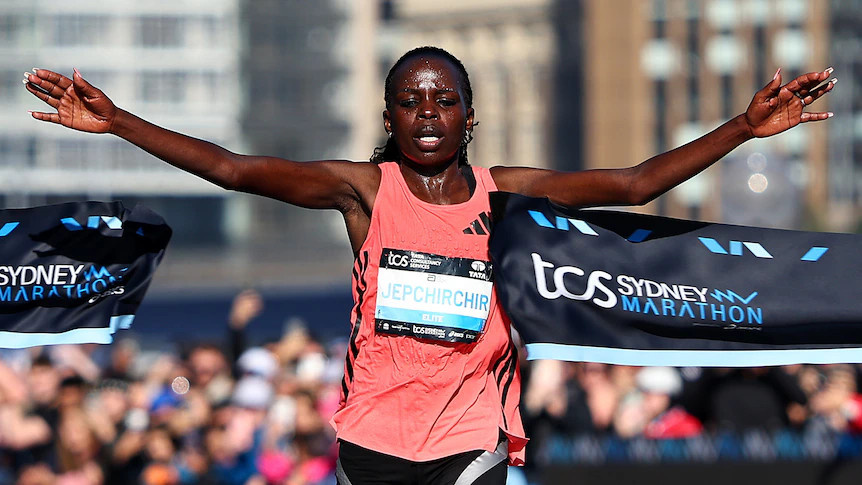
Peres Jepchirchir, the celebrated winner of the 2026 Sydney Marathon, has been handed a three-year ban for doping, following a positive test for EPO in an out-of-competition screening prior to the race. The ban not only strips her of her title but also tarnishes her legacy as one of the sport's all-time greats, having previously claimed victories in four World Marathon Majors and a gold medal at the 2021 Olympic Games.
The Athletics Integrity Unit confirmed that Jepchirchir tested positive in a sample collected in Kenya before she traveled to Sydney for the marathon in August. Despite her initial denial of any wrongdoing, she later signed an admission of anti-doping rule violations, acknowledging the consequences of her actions.
In light of this ruling, Irene Cheptai, who finished second in the race, has been elevated to champion. Cheptai's performance not only showcased her athletic prowess but also her sportsmanship, as she was seen assisting Australian Paralympian Michael Roeger during the race, earning her a nomination for the 2026 International Fair Play Award.
Race director Wayne Larden expressed disappointment over the doping incident, emphasizing the integrity of the sport and the importance of rigorous testing. "There is no place for doping at the Sydney Marathon or in the sport at all," Larden stated, reinforcing the commitment to clean athletics. He noted that the Sydney Marathon has invested in additional out-of-competition testing, which is crucial for maintaining fairness in the sport.
Jepchirchir's provisional suspension came in October, following the adverse finding, although she tested negative on race day in Sydney. This highlights the significance of out-of-competition testing in catching athletes who may attempt to cheat the system.
Implications for Future Marathon Events
In the aftermath of this scandal, the Sydney Marathon organizers confirmed that all other tests from the event returned negative results, ensuring that no further disqualifications would occur. Cheptai's official time was recorded at 2:22:11, finishing three minutes and 40 seconds behind Jepchirchir's now-invalidated winning time.
This incident adds to the growing list of Kenyan athletes facing doping sanctions, with over 140 athletes banned since 2017 when the Athletics Integrity Unit was established. The case serves as a stark reminder of the challenges facing the sport and the ongoing efforts to uphold its integrity.
The Final Kick
Brett Clothier, chief executive of the Athletics Integrity Unit, emphasized the importance of out-of-competition testing in protecting clean sport. "It reaches athletes when and where they least expect it," he said, highlighting that Jepchirchir's case exemplifies the effectiveness of these measures. As the athletics community grapples with the implications of this case, it underscores the need for continued vigilance in the fight against doping.
The fallout from Jepchirchir's ban will likely resonate throughout the marathon community, prompting discussions on ethics, integrity, and the future of the sport as it seeks to maintain its reputation amidst ongoing challenges.