Runner Banned from NYC Marathon for Using Forged Bib After Celebrity Encounter
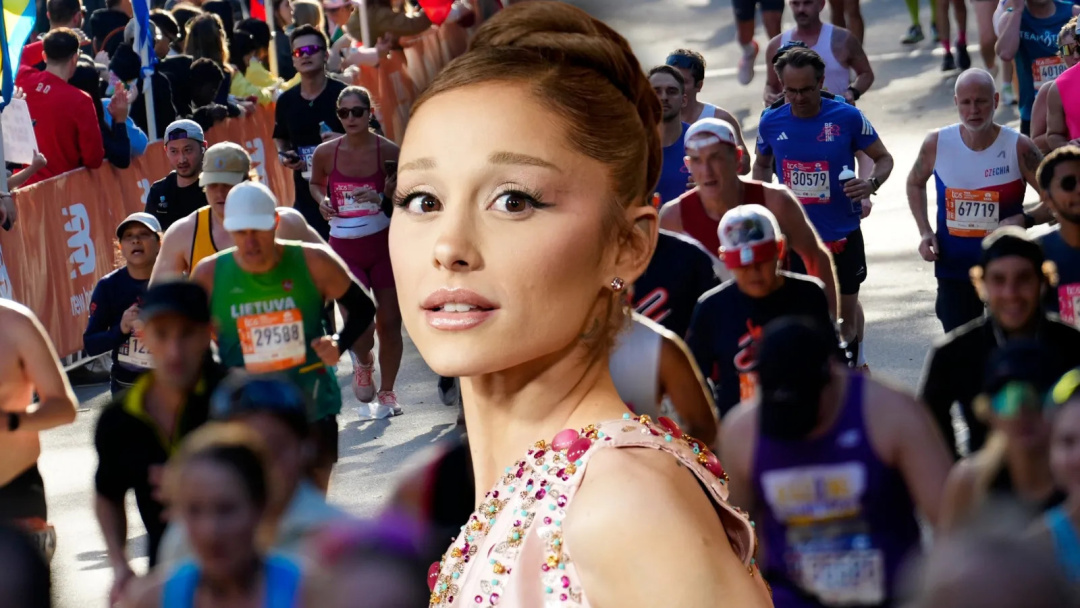
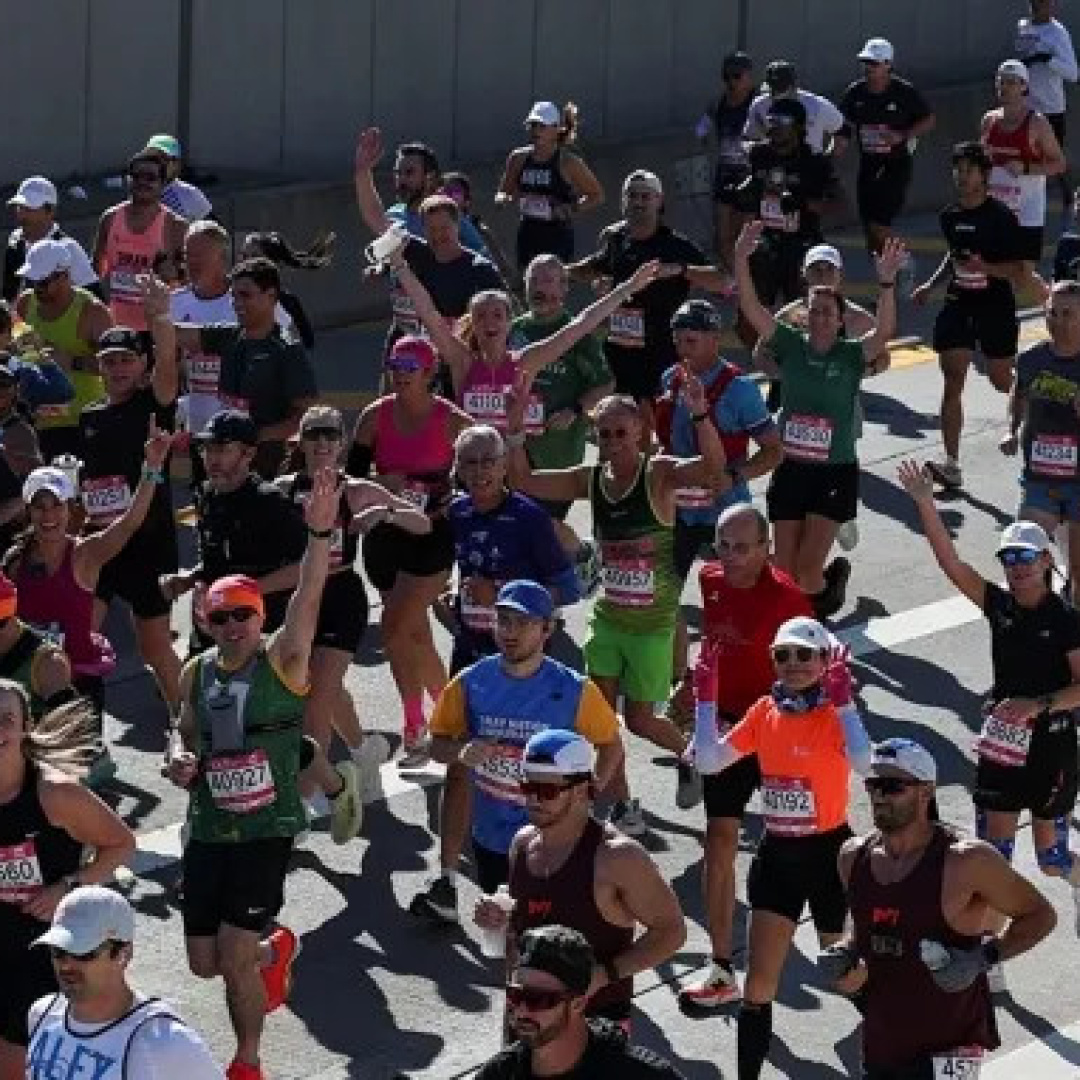
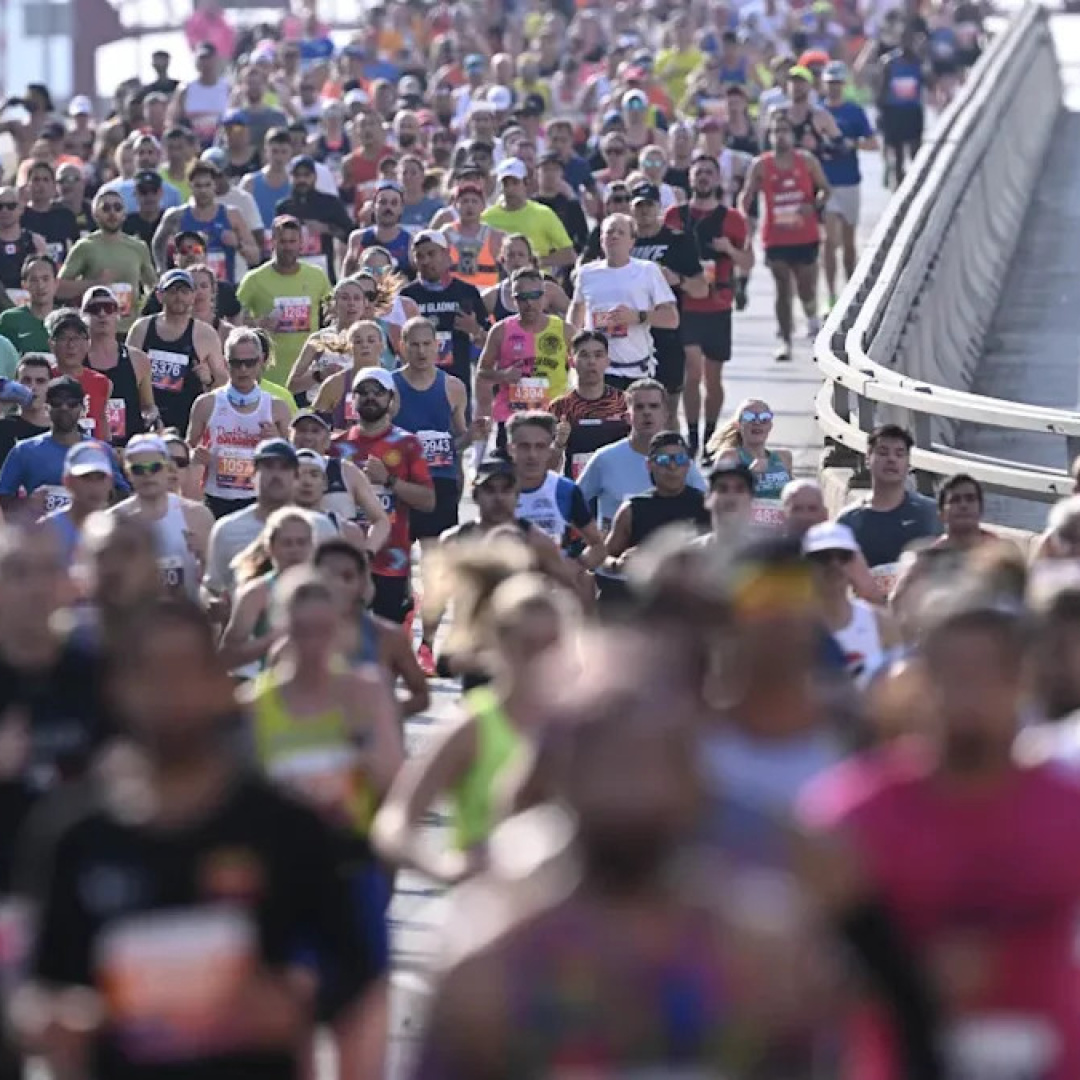
This year's New York City Marathon saw over 60,000 participants, including one runner who briefly captured the spotlight by high-fiving pop star Ariana Grande. However, this moment of fame came at a cost, as he has now been banned from future races after it was discovered he used a forged bib number belonging to another runner.
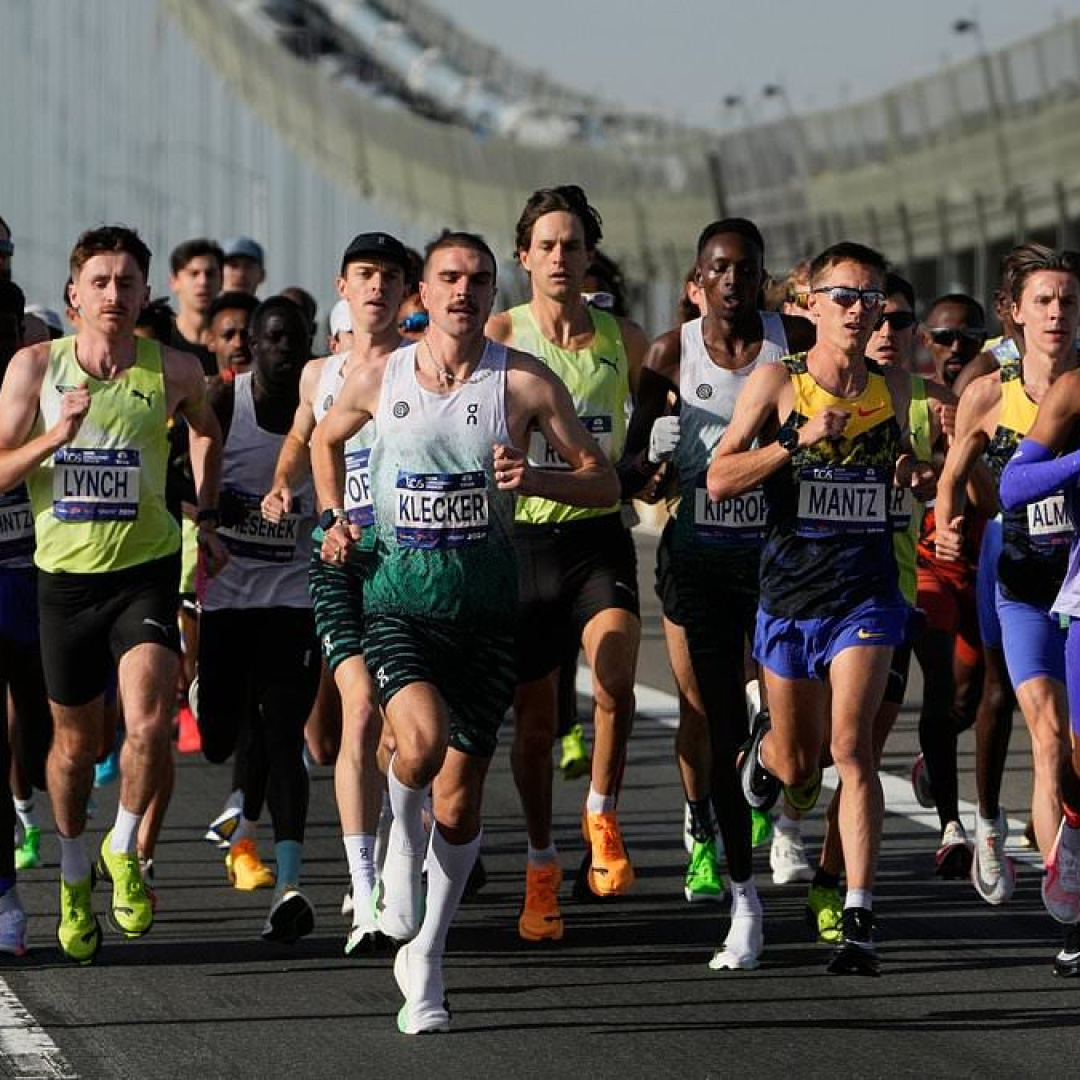
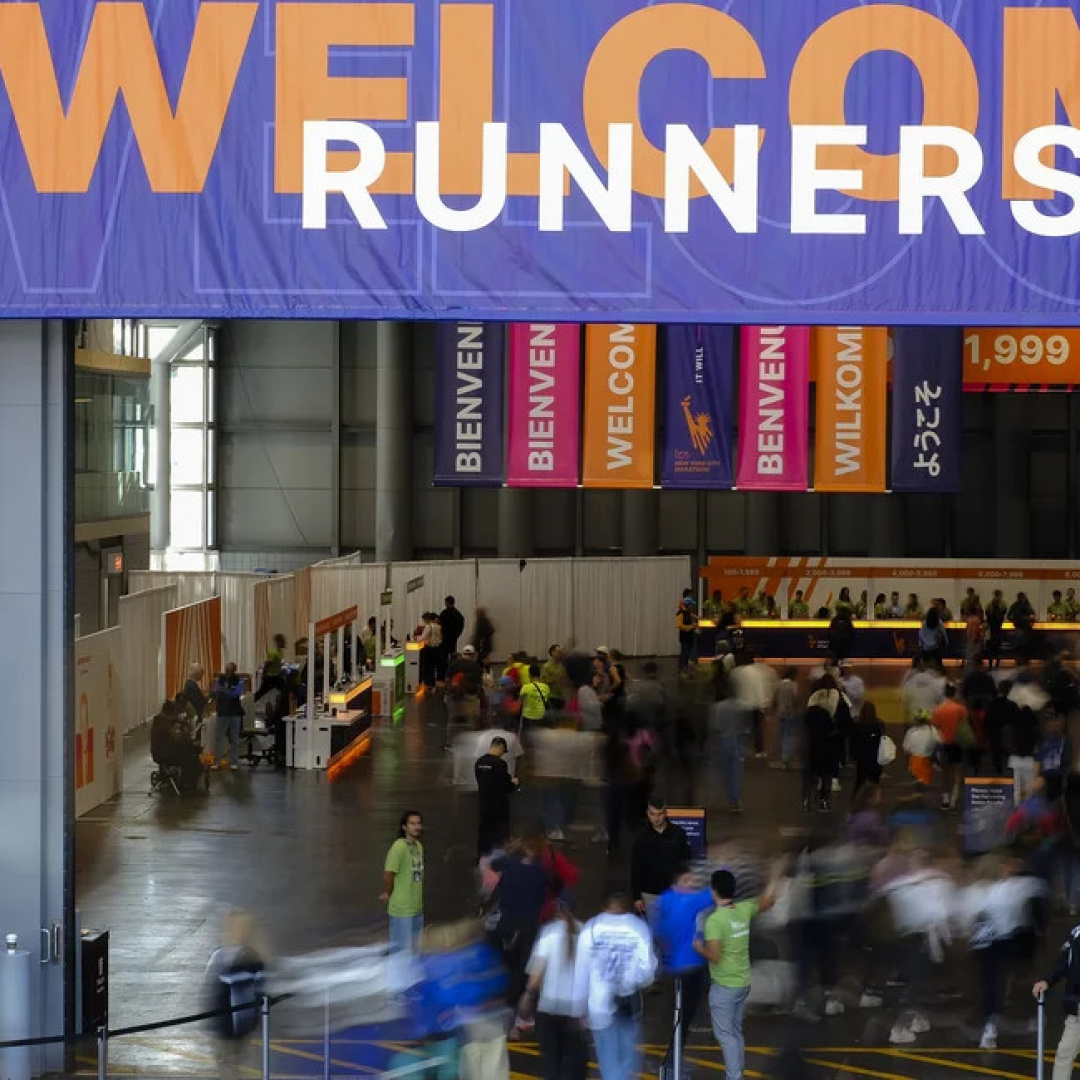
The New York City Marathon is renowned as one of the premier 26.2-mile races globally, part of the prestigious World Marathon Majors. Each year, thousands flock to New York City to tackle the challenging course that winds through all five boroughs. To gain entry, runners must meet specific criteria, which may include achieving qualifying times, participating in a series of events, fundraising for charity, or winning a spot through a lottery system—all of which come with registration fees exceeding $250.
While many runners prepare rigorously to earn their place, one individual, identified as Mike Clarke, found a shortcut. He managed to sneak onto the course, only to later draw attention to himself by sharing a video of his encounter with Grande, which quickly went viral with over six million views on Instagram. In the video, he is seen high-fiving Grande, who was cheering from the sidelines.
Clarke's bib number, however, was not his own. According to reports, he used the bib number of Nicolas Bourot, a legitimate participant who completed the marathon in 3:23:23. Bourot, who had waited a decade for this opportunity, expressed his disappointment upon learning that his bib had been misused. Clarke defended his actions, stating that he saw it as a way to challenge himself while honoring a late friend by choosing Bourot's number.
Consequences of Misusing Race Bibs
Despite his viral moment, Clarke's finish time of 2:36:55 will not be recognized officially, and he has been banned from competing in the marathon again until 2027. This incident has sparked discussions about race integrity, the measures in place to prevent bib fraud, and the responsibilities of runners to adhere to the rules of competition.
One Last Stride
The New York Road Runners organization, which oversees the marathon, had previously employed spotters to identify unauthorized runners but has since abandoned this practice. As a result, individuals like Clarke may find it easier to infiltrate the race, raising concerns about the fairness of competition and the experiences of legitimate runners.
The incident serves as a reminder of the lengths some individuals will go to for a fleeting moment of fame, and the potential consequences that can arise from such actions. As marathon events continue to attract large numbers of participants, maintaining the integrity of these races remains a crucial focus for organizers.