Study Reveals Compression Garments Do Not Reduce Injury Risk in Runners
Compression garments (CGs) are widely used by runners to potentially reduce the risk of lower extremity running-related injuries (RRIs). Despite their popularity, research on the effectiveness of CGs in preventing injuries remains limited. A recent study aimed to fill this gap by examining whether the use of CGs affects the occurrence of RRIs among half and full marathon runners.
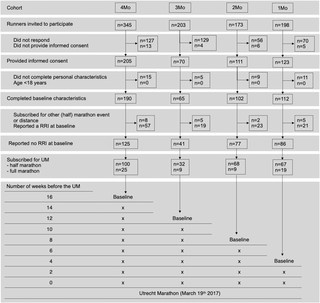
The research utilized data from the SUMMUM-2017 observational study, which followed runners during their preparation for the Utrecht Marathon. Over a 16-week period, participants reported their use of CGs and any injuries sustained through an online questionnaire. The study focused on 329 runners who had no prior injuries at the start of the study.
Results from the analysis revealed no significant differences in the odds of experiencing a lower extremity RRI between runners who used CGs and those who did not. The odds ratio was calculated at 1.07 with a 95% confidence interval of 0.48 to 2.40, indicating that CGs did not provide a protective effect against injuries during training.
The study's findings are particularly relevant for the running community, as many athletes invest in CGs with the hope of injury prevention. The lack of evidence supporting their effectiveness raises important questions about the reliance on such gear. While CGs have been shown to aid in post-exercise recovery by reducing muscle soreness and improving venous blood flow, their role in injury prevention is still unsubstantiated.
Reevaluating Injury Prevention Strategies for Runners
In light of these findings, runners may need to reconsider their use of compression garments as a primary strategy for injury prevention. Instead, a focus on proper training techniques, gradual mileage increases, and adequate rest may be more effective methods to mitigate the risk of RRIs. This study underscores the importance of evidence-based practices in the running community, encouraging runners to seek out reliable information when it comes to their training and gear choices.
As the research landscape evolves, further studies are needed to explore the potential benefits of CGs in different contexts, such as recovery and performance enhancement. Until then, runners should remain cautious about the claims surrounding compression garments and prioritize proven methods for staying injury-free.
The Last Mile
The implications of this study extend beyond individual runners to trainers and coaches as well. Understanding that CGs may not reduce injury risk can influence training regimens and athlete education. Coaches might focus on building strength and flexibility in runners, alongside emphasizing the importance of listening to their bodies and adjusting training loads accordingly.
In summary, while compression garments may offer some benefits in terms of recovery, their effectiveness in preventing injuries remains questionable. Runners should take a holistic approach to their training, integrating various strategies to enhance performance and minimize the risk of injury. This study serves as a reminder that not all popular practices in the running community are backed by solid scientific evidence, and it is crucial to stay informed and critical about the tools we use in our pursuit of running excellence.